Connor Varney

Kia ora! I'm Connor, a third year Computer Engineering student minoring in Communications and Network Engineering at the University of Canterbury. Passionate about all things tech, along with tramping, music and amateur radio. I'm always keen to take on a new challenge - get in touch using the links below.

My Projects

Odometer Interface

Odometer Interface

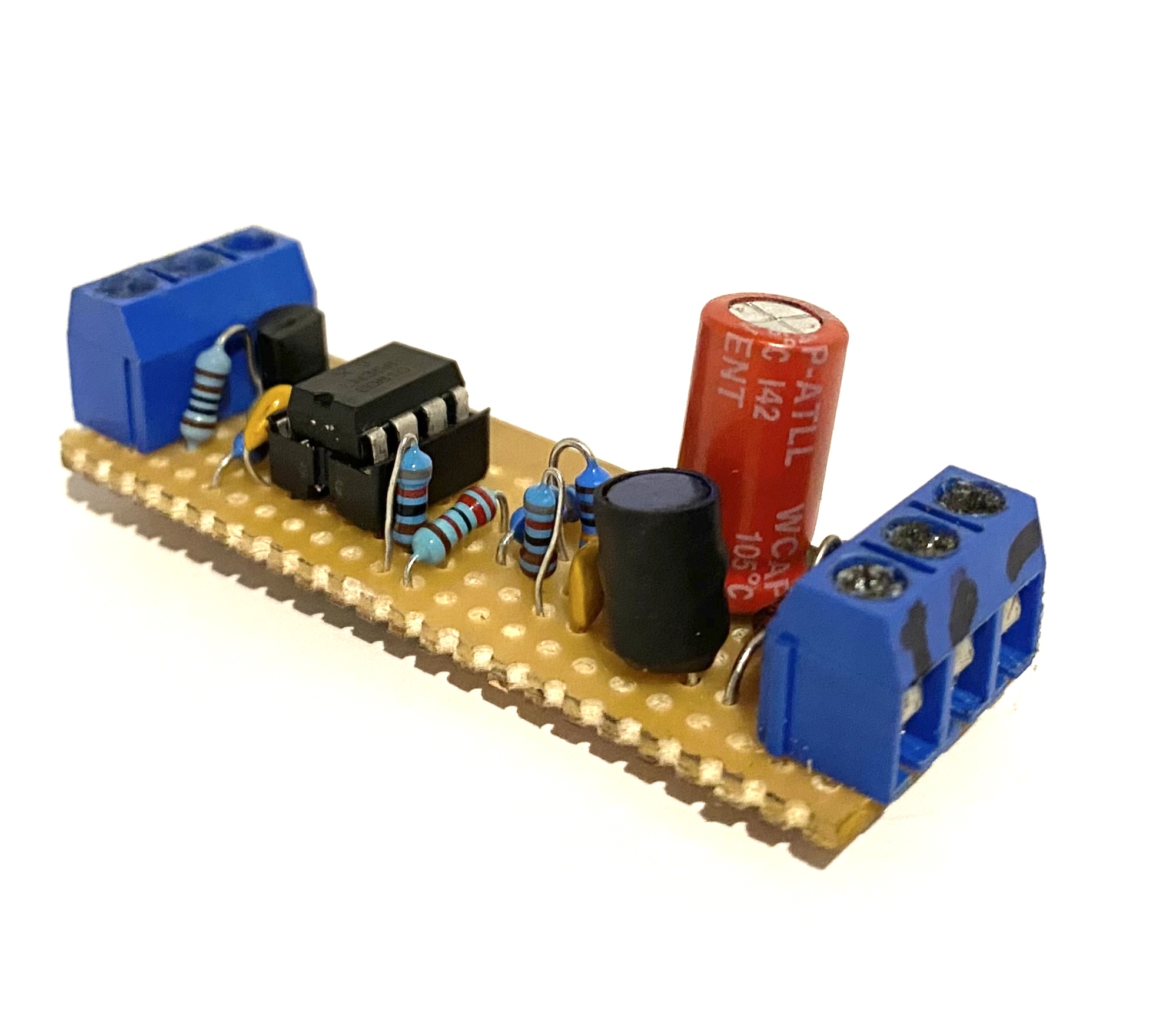
Interface between a hall effect odometer sensor and a motorcycle dashboard.

I designed and built a compact electronics interface board that translates raw signals from a hall-effect sensor (which measures wheel rotations) into a signal a motorcycle dashboard understands. This implementation is fully analogue, hence used a range of skills from university courses - operational amplifiers, power supply filtering and signal conditioning.

View on GitHub
ESP Robot PCB

ESP32 Breadboard Robot

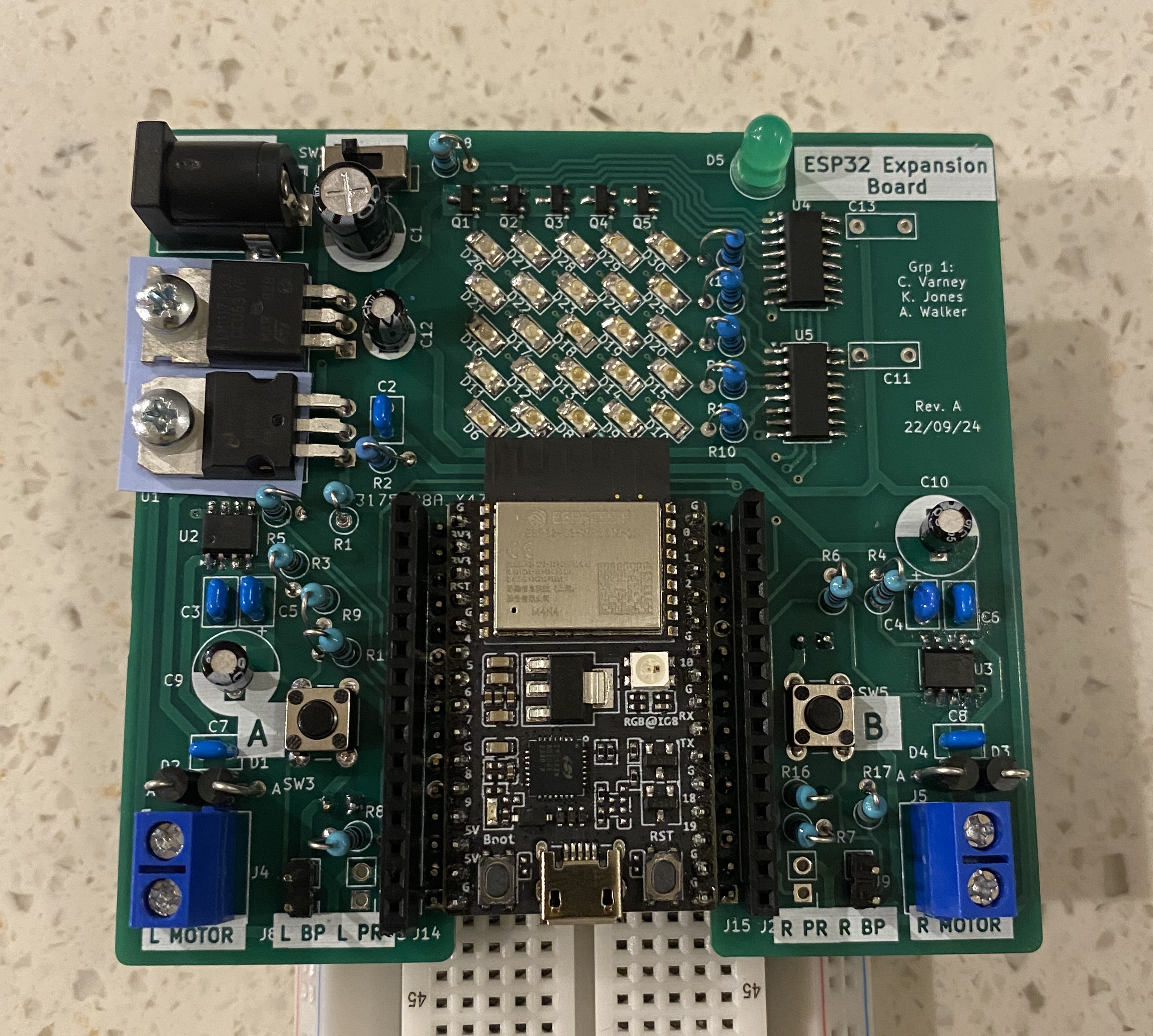
An expansion + breakout board for an ESP32, designed for high school robotics.

A teacher from my past high school reached out, as they wanted a convenient low-cost solution to teach basic electronics and robotics concepts. The solution was a rather elaborate PCB, featuring a 5x5 LED matrix, motor drivers and voltage regulation, all driven by an ESP32.

View on GitHub
Web Data Collection and Analysis

Web Data Collection & Analysis

A robust data collection and analysis ecosystem designed to support a long-term academic study.

Developed as part of an ongoing research role at the University of Canterbury. The system gathers, stores, and processes large volumes of online data with a focus on automation, reliability, and scalability.

Built on a Linux foundation and leveraging Python, MySQL, and a range of REST APIs, the platform efficiently ingests structured web data while handling rate limiting, proxy rotation, and failure recovery.

This work has deepened my expertise in backend systems, API-driven development, and data pipeline design, all within the context of meaningful real-world research.

Remote Testing Infrastructure at Tait Communications

Remote Testing Infrastructure

Tait Communications Internship Project

During my internship at Tait Communications, I contributed to the development of remote testing infrastructure. My work involved full-stack development of tools that enabled remote access, automated testing, and diagnostics.

I applied skills in network routing and VPN configuration to build secure connectivity layers, and developed REST APIs using Flask to interface with test hardware.

I gained hands-on experience working within an Agile development team, using Jira for project planning and GitLab CI for continuous integration and deployment. The internship strengthened my ability to build scalable infrastructure and collaborate effectively in a professional engineering environment.

STM32 Step Counter

STM32 Step Counter

A fully integrated pedometer built around an STM32 microcontroller.

Interfaces an STM32 dev board with a UC expansion board, containing an onboard accelerometer, OLED display, interactive buttons, and a buzzer. The system processes acceleration data in real time to accurately count steps and provide instant user feedback.

I developed a complete firmware solution in C to sample and filter accelerometer readings, detect steps, and update the OLED display. The buzzer signals milestones while buttons allow users to pause, reset, or toggle display modes. The device proved reliable during field testing, consistently tracking steps with minimal drift.

View on GitHub
RIP Routing Simulation

RIP Routing Simulation

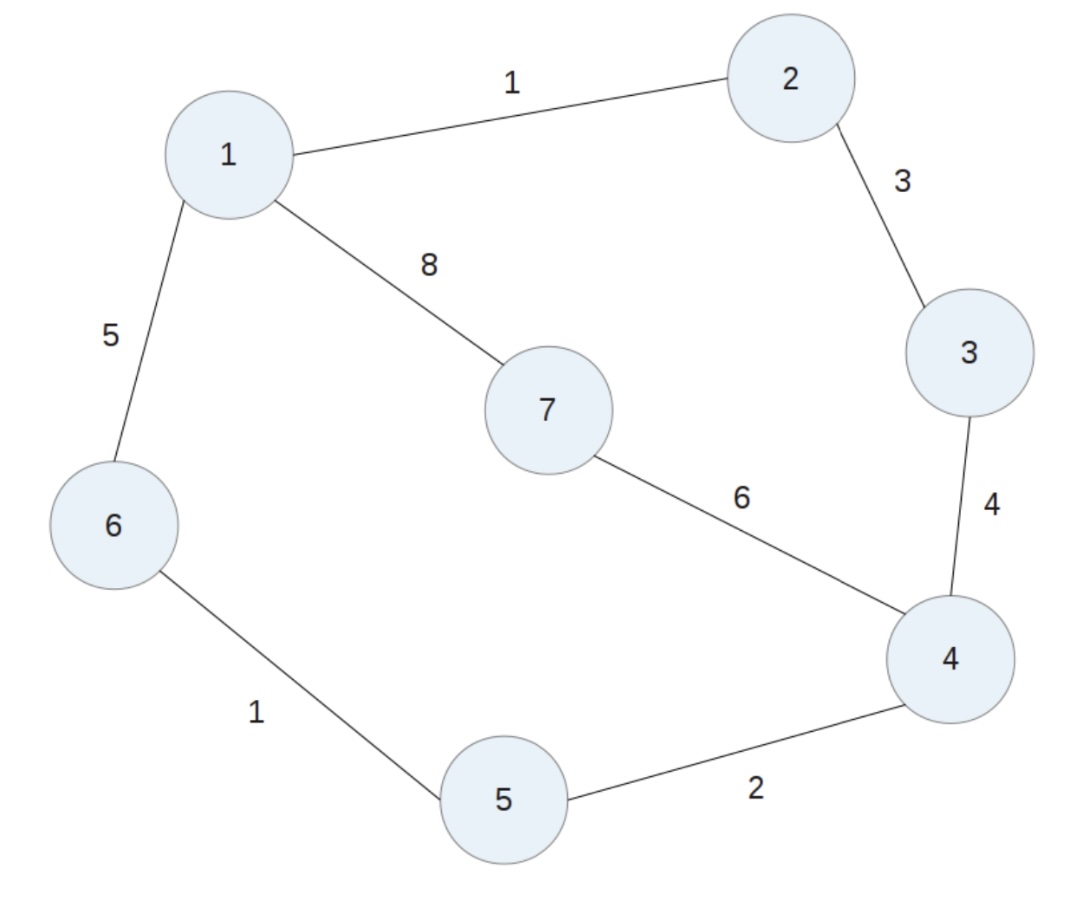
A network routing simulator that implements the Routing Information Protocol (RIP), developed in Python.

This project models router behavior, exchanges routing tables, and calculates optimal shortest paths across a custom virtual network topology.

This project tested my skills in automated unit and behavioural testing with Git. Extensive testing included scenarios like link failures and network partitioning, proving the simulator's ability to reconverge and adapt routing paths. The result is a robust educational tool for understanding foundational network protocols.

View on GitHub